In The AI Revolution
IP Process is Essential
AI is not just a tool. It's a new creator and a new risk. Artificial intelligence is transforming how companies innovate, create, and compete. But with this transformation comes a legal and strategic minefield.
Generative AI tools can produce valuable assets or create unintentional IP violations. Training data may be unknowingly scraped, reused, or leaked. And companies that fail to align their IP strategies with AI use risk litigation, brand damage, and even board liability. This book is a fresh guide for business leaders, general counsel, and board directors on how to rethink the process of where AI meets human behavior in IP and governance in the age of AI, offering a blueprint for managing data, rights, innovation, and risk.
This isn’t another “AI ethics” book or a law treatise. It’s a hands-on guide for operationalizing AI and IP governance, covering process, policy, and people with practical tools you can implement immediately. Grounded in legal precedent, business strategy, and practical frameworks, Owning Intelligence is written for leaders who want to do more than write policies, they want to implement them. It includes a playbook of governance checklists, management structure, sample company policies, and tools that organizations can adopt immediately to protect what they build and comply with evolving law. What You Will Learn:
Board Members
Helps directors understand the strategic, fiduciary, and reputational implications of AI use, including what questions to ask management about AI ownership, data use, vendor exposure, governance, and risk oversight.
Executives
Provides a practical framework for leading AI adoption responsibly while protecting intellectual property, proprietary data, brand value, and competitive advantage.
IP Counsel
Offers guidance on how AI changes ownership, authorship, patentability, trade secret protection, vendor contracting, infringement risk, and documentation practices.
Governance Committees
Supports the creation of cross-functional oversight structures, policies, controls, escalation paths, and accountability systems for enterprise AI use.
Risk Managers
Helps identify where AI creates legal, operational, cybersecurity, data, vendor, reputational, and compliance risk, and how to build monitoring and response processes.
General Counsel / Legal Teams
Provides issue-spotting tools for AI-related contracts, employee policies, data use, indemnity provisions, infringement exposure, and internal approval processes.
Chief Technology Officers / AI Leaders
Helps technical leaders align AI development and deployment with IP protection, governance expectations, model documentation, data provenance, and human oversight.
Innovation and R&D Teams
Shows how to capture AI-assisted invention activity, protect high-value prompts and workflows, document human contribution, and decide when patents or trade secrets may be appropriate.
Compliance Officers
Provides a roadmap for translating AI policies into practical controls, audits, training, documentation, and regulatory readiness.
Product and Business Unit Leaders
Helps teams understand how AI-enabled products, services, workflows, and content may create new assets as well as new exposure requiring disciplined oversight.
Procurement and Vendor Management Teams
Highlights the importance of AI-specific vendor diligence, ownership terms, data restrictions, warranties, indemnities, and rights to audit third-party AI tools or outputs.
Entrepreneurs and Growth Companies
Helps emerging companies build AI/IP governance early, before valuable data, workflows, inventions, or brand assets are exposed through informal or uncontrolled AI use.
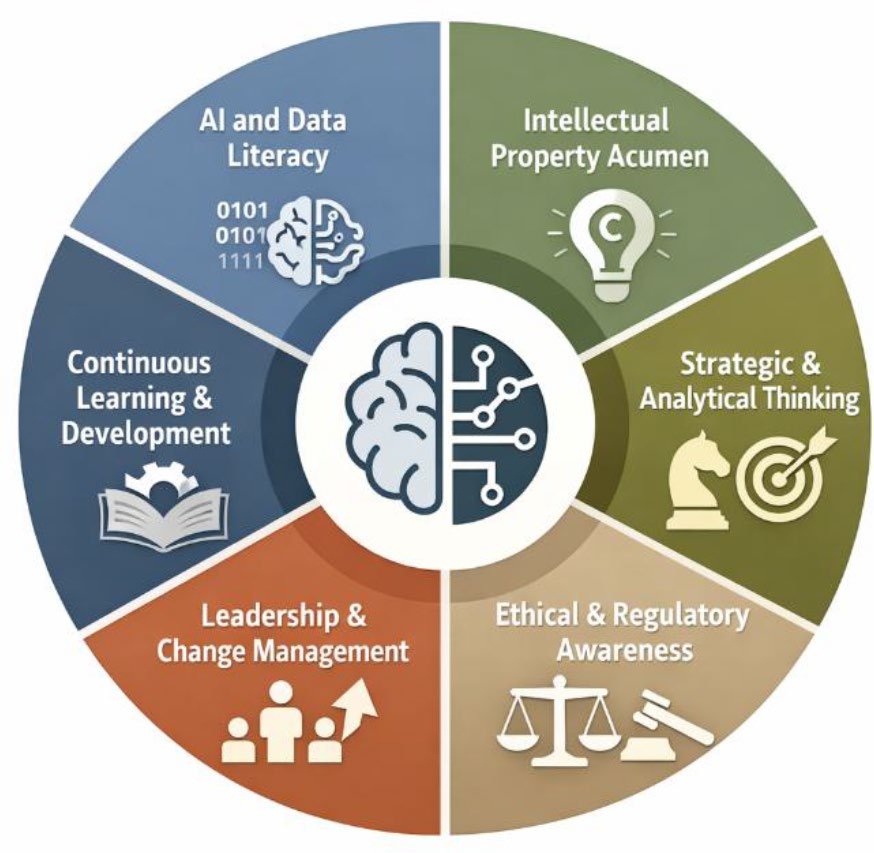
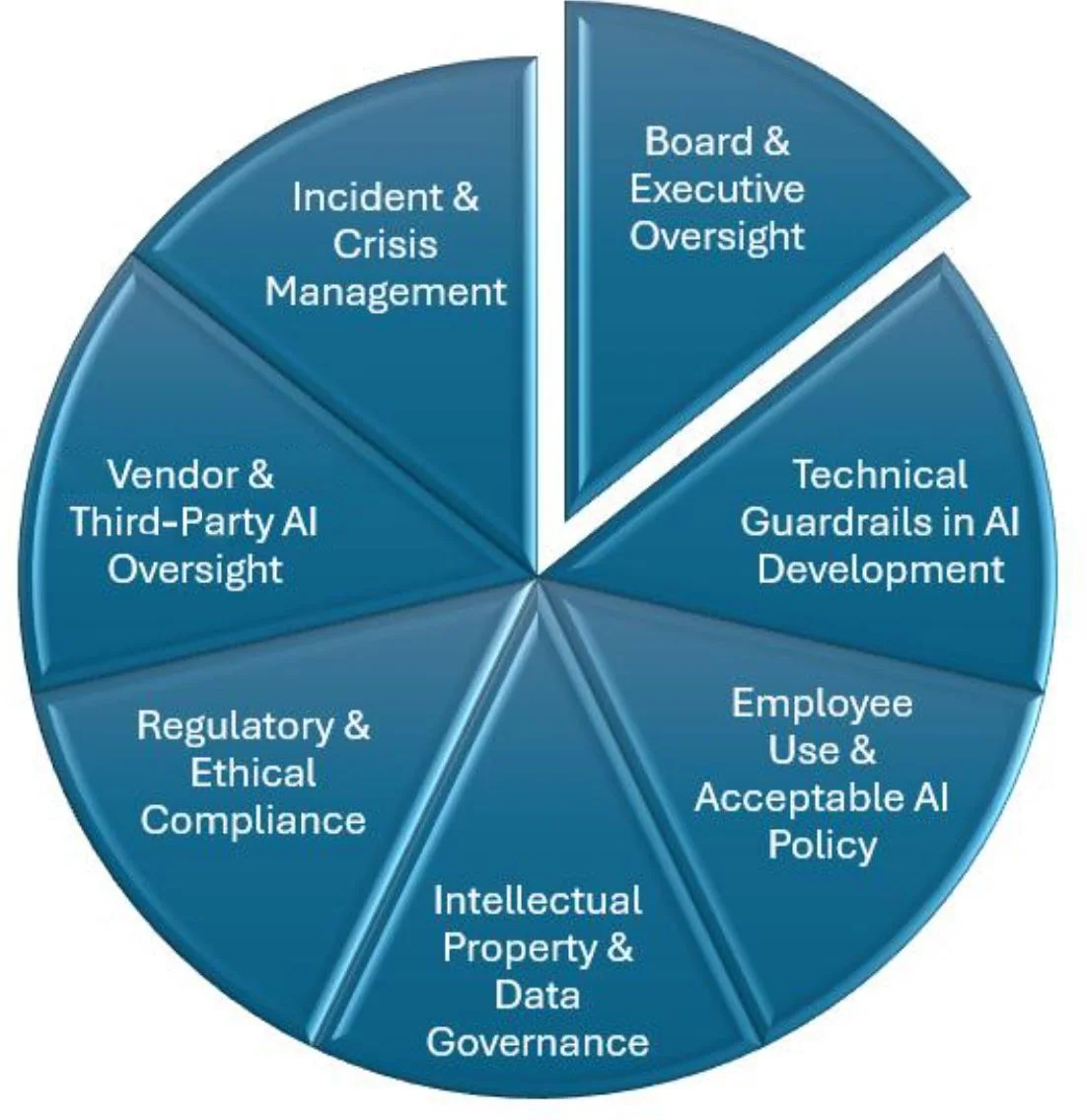
Interested in a Workshop, Speaking Engagement or Podcast Appearance
Send us a quick note and we’ll get back to you right away.